













In the pursuit of radiant, healthy skin, many of us find ourselves inundated with advice on skincare routines. With countless products and varying opinions, it can be overwhelming to determine the best approach for your skin. One common question that arises is, “How often should I apply face moisturizer for optimal results?” Understanding the right frequency for moisturizer application is essential for keeping your skin hydrated and vibrant. In this blog post, we will delve into the significance of face moisturizers in your skincare regimen, addressing how often you should use them based on your individual skin type and the environmental factors at play. By the end, you will feel empowered to tailor your skincare routine to nurture your skin effectively.


Understanding Your Skin Type
Before determining the frequency of moisturizer application, it’s crucial to first understand your skin type. Knowing whether you have oily, dry, combination, or sensitive skin will not only aid in selecting the right products but also in optimizing your skincare routine. Below, we break down each skin type, providing tips for identification and practical examples of recommended products.


Identifying Your Skin Type
To recognize your skin type, observe how your skin behaves throughout the day. Here’s a quick guide:
Oily Skin
- Characteristics: Shiny appearance, enlarged pores, prone to acne, blackheads, and other blemishes.
- Identification Tip: If your skin feels greasy within a few hours after washing it, you likely have oily skin.
Dry Skin
- Characteristics: Flaky, rough texture, tightness after cleansing, may experience redness or irritation.
- Identification Tip: If your skin feels dry or tight after washing and lacks moisture even when you apply products, it’s likely dry.
Combination Skin
- Characteristics: A mix of oily and dry areas, usually oily in the T-zone (forehead, nose, chin), while cheeks may be dry or normal.
- Identification Tip: If you notice different textures or behaviors in various areas of your face, you have combination skin.
Sensitive Skin
- Characteristics: Easily irritated, prone to redness, stinging, or burning sensations in response to products or environmental factors.
- Identification Tip: If your skin reacts to most skincare products or experiences frequent reactions, you likely have sensitive skin.
Why Knowing Your Skin Type Matters
Understanding your skin type is vital for several reasons:
- Tailored Products: Different skin types require specific ingredients and formulations. For instance, oily skin benefits from lightweight, oil-free moisturizers, while dry skin needs richer, more hydrating creams.
- Application Frequency: Your skin type also dictates how often you should apply moisturizer. Oily skin may require less frequent applications, while dry skin may need moisturizing several times a day.
- Choosing the Right Brands and Products: Selecting products that cater to your specific skin type ensures effectiveness and can prevent adverse reactions.
Example Products for Each Skin Type
Oily Skin
- Neutrogena Hydro Boost Water Gel: This lightweight formula provides hydration without clogging pores.
- Clinique Dramatically Different Hydrating Jelly: A refreshing gel that absorbs quickly and controls oil production.
Dry Skin
- CeraVe Moisturizing Cream: Contains essential ceramides and hyaluronic acid to lock in moisture effectively.
- La Roche-Posay Toleriane Double Repair Face Moisturizer: Delivers long-lasting hydration with a non-greasy finish.
Combination Skin
- Belif The True Cream Aqua Bomb: A lightweight gel-cream that hydrates without feeling heavy, perfect for balancing different skin areas.
- Cetaphil Daily Hydrating Lotion: Offers lightweight hydration, ideal for maintaining moisture across combination skin zones.
Sensitive Skin
- Aveeno Ultra-Calming Hydrating Gel Cream: Formulated with calming feverfew, this cream soothes irritated skin.
- First Aid Beauty Ultra Repair Cream: Rich in colloidal oatmeal, it provides intense moisture while helping to alleviate irritation.
A Quick Reference Table
| Skin Type | Characteristics | Recommended Products | Application Frequency |
|---|---|---|---|
| Oily | Shiny, enlarged pores | Neutrogena Hydro Boost, Clinique Hydrating Jelly | 1-2 times daily |
| Dry | Flaky, tight, rough | CeraVe Moisturizing Cream, La Roche-Posay Toleriane | 2-3 times daily |
| Combination | Oily T-zone, dry areas | Belif Aqua Bomb, Cetaphil Daily Lotion | 1-2 times daily |
| Sensitive | Prone to irritation, redness | Aveeno Ultra-Calming, First Aid Beauty Repair Cream | 1-2 times daily |
Key Summary Points
- Knowing your skin type is essential for choosing the right moisturizer and determining application frequency.
- Each skin type has specific needs that can be effectively addressed with tailor-made products.
- Using the correct products can enhance skin health and appearance while minimizing the risk of reactions.
By taking the time to identify your skin type, you can better navigate the vast world of skincare products and find the most suitable options for your unique needs. This foundational understanding is a critical step in achieving beautiful, healthy skin.
The Role of Moisturizers
Moisturizers play a crucial role in any comprehensive skincare routine, serving multiple functions that go beyond mere hydration. Understanding how moisturizers work and their different forms can help you select the right product for your specific skin needs, ultimately contributing to healthier and more resilient skin. In this section, we will evaluate the primary functions of face moisturizers, explore their various types, and highlight some standout products along the way.

Functions of Face Moisturizers
1. Hydration
One of the most recognized roles of moisturizers is their ability to hydrate the skin. This is essential for maintaining skin elasticity and preventing dryness. Most moisturizers contain humectants—substances that attract moisture from the atmosphere or underlying skin layers—providing immediate hydration.
Key Ingredients for Hydration:
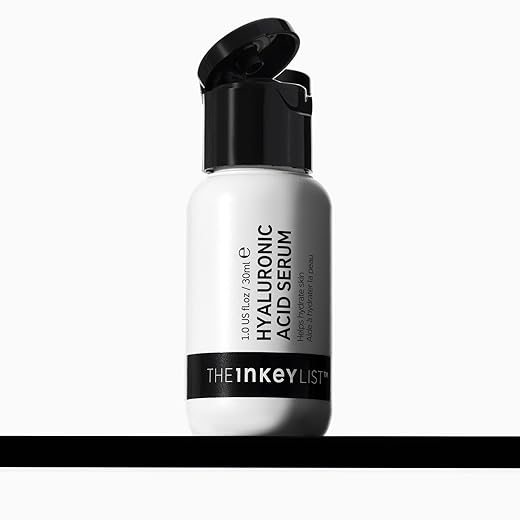
- Hyaluronic Acid: A powerful humectant that can hold up to 1,000 times its weight in water. It is found in products like Neutrogena Hydro Boost Water Gel.
- Glycerin: Known for its skin-soothing properties, glycerin draws moisture into the skin, making it a common ingredient in many lotions and creams.
2. Protection
Moisturizers create a barrier that protects the skin from environmental aggressors such as pollution and UV rays. A well-formulated moisturizer can prevent trans-epidermal water loss (TEWL), keeping your skin moisture intact.
Recommended Protective Moisturizers:
- CeraVe Daily Moisturizing Lotion: This product contains ceramides that not only help in restoring the skin barrier but also provide a protective layer.
- La Roche-Posay Toleriane Double Repair Face Moisturizer: This lotion offers not only hydration but also protection thanks to the addition of prebiotic thermal water.
3. Skin Barrier Enhancement
A quality moisturizer strengthens the skin’s natural barrier, improving its overall function. A robust skin barrier can defend against irritants, allergens, and pathogens, while also retaining moisture.
Enhancing Ingredients:
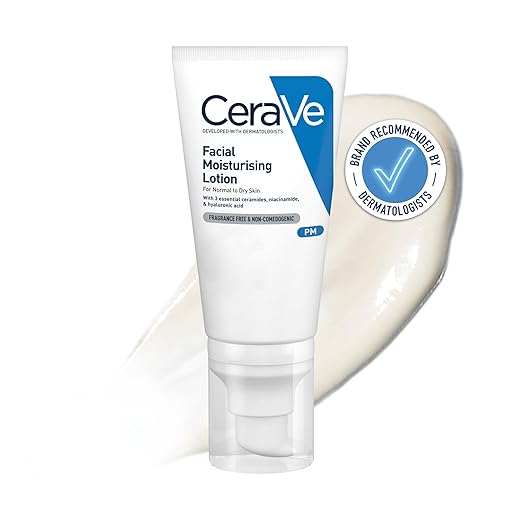
- Ceramides: Lipids that help restore the skin barrier; excellent options include CeraVe PM Facial Moisturizing Lotion and Vichy Aqualia Thermal Rich Cream.
- Niacinamide: This ingredient boosts the production of barrier lipids and offers anti-inflammatory properties. Consider products like The Ordinary Niacinamide 10% + Zinc 1%.
Types of Moisturizers
Moisturizers come in various forms, each catering to different skin types and concerns. Understanding these distinctions can assist you in selecting the right product for your needs.
1. Lotion
- Characteristics: Lightweight and fast-absorbing, lotions are ideal for normal to slightly dry skin.
- Recommended Products:
- Eucerin Advanced Repair Lotion: Excellent for dry skin, providing long-lasting hydration.
2. Cream
- Characteristics: Creams are thicker and richer, suitable for dry or dehydrated skin, providing intensive moisture and protection.
- Recommended Products:
- Olay Regenerist Micro-Sculpting Cream: Known for its rich texture, it deeply hydrates while offering anti-aging benefits.
3. Gel
- Characteristics: Gel formulas are refreshing and light, making them perfect for oily or acne-prone skin. They hydrate without clogging pores.
- Recommended Products:
- Clinique Dramatically Different Hydrating Jelly: A lightweight gel that offers 24-hour hydration while balancing oily skin.
Comparison Table of Moisturizer Types
| Type | Texture | Best for | Recommended Product |
|---|---|---|---|
| Lotion | Lightweight | Normal to slightly dry | Eucerin Advanced Repair Lotion |
| Cream | Rich and thick | Dry or dehydrated | Olay Regenerist Micro-Sculpting Cream |
| Gel | Refreshing | Oily or acne-prone skin | Clinique Dramatically Different Hydrating Jelly |
Consistent Application: Why It Matters
Incorporating a moisturizer into your daily skincare routine is vital for maintaining skin health. Applying moisturizers consistently helps preserve hydration, repair the skin barrier, and provide ongoing protection against environmental factors. Whether you prefer a lotion, cream, or gel, the right moisturizer will offer nuanced benefits tailored to your skin’s unique needs.
By understanding the multifaceted role of moisturizers and the various types available, you can enhance your skincare routine and achieve more radiant, healthy skin.
Frequency of Application: How Often Should You Apply Face Moisturizer?
Determining how often to apply face moisturizer is crucial for maintaining healthy skin. The answer to this central question depends on various factors, including skin type, age, and environmental influences. Below, we’ll break down the frequency of application based on these parameters, debunk common misconceptions, and offer practical tips to adapt your moisturizing routine as needed.
Skin Type Considerations
Your skin type plays a significant role in how often you should moisturize. Here is a guide based on different skin types:
- Oily Skin: For those with oily skin, applying a lightweight, oil-free moisturizer like Neutrogena Hydro Boost Gel-Cream once a day is often sufficient. Over-moisturizing may lead to clogged pores and exacerbate oiliness.
- Dry Skin: Individuals with dry skin may benefit from applying a richer moisturizer, such as CeraVe Moisturizing Cream, twice a day—once in the morning and once before bed— to replenish moisture effectively.
- Combination Skin: Those with combination skin can apply a balanced moisturizer, like Clinique Dramatically Different Moisturizing Gel, once daily, while paying extra attention to drier areas.
- Sensitive Skin: Apply gentle, fragrance-free moisturizers, such as Aveeno Ultra-Calming Nourishing Night Cream, at least once daily, but consider more frequent applications (morning and night) if your skin feels particularly dry or irritated.
Age Factors
As we age, our skin undergoes various changes. In your 20s, a light moisturizer should suffice, while in your 30s and beyond, more hydrating products may be required.
- In Your 20s: Focus on lightweight, hydrating moisturizers with SPF, like Bioderma Hydrabio Gel-Crème, applied twice daily to prevent moisture loss early on.
- In Your 30s: Moving into your 30s, consider a thicker, more nourishing product, such as First Aid Beauty Ultra Repair Cream, applied in the morning and evening to combat emerging dryness.
- In Your 40s and Beyond: At this stage, incorporating a night cream like Olay Regenerist Retinol 24 Night Moisturizer into your routine can help renew skin overnight, leading to improved texture and hydration. Daily application, morning and night, is recommended.
Environmental Influences
Your environment also dictates moisturizing frequency.
- Dry Climates: In dry, arid climates, such as desert regions, it’s advisable to apply a heavier moisturizer like Eucerin Advanced Repair Lotion multiple times during the day to combat moisture loss.
- Cold Weather: In winter months, skin can become dehydrated from cold air and indoor heating. A thicker cream, like La Roche-Posay Toleriane Double Repair Face Moisturizer, should be applied at least twice a day until temperatures rise.
- Hot and Humid Climates: In contrast, hot and humid environments may necessitate using lighter formulas. Applying a gel-based moisturizer such as Belif The True Cream Aqua Bomb once daily, often in the morning, may suffice.
Common Misconceptions About Moisturizer Usage
- Myth: Oily Skin Doesn’t Need Moisturizer: Many believe that oily skin doesn’t need moisturizing, but every skin type benefits from hydration. Skipping moisturizer can actually lead to more oil production.
- Myth: The More, The Better: Some assume that slathering on moisturizer will yield better results; however, effective hydration comes from using the right amount at appropriate intervals, not over-application.
- Myth: Sun Exposure Only Requires SPF: While sun protection is essential, using a moisturizer with added SPF, like EltaMD UV Clear Broad-Spectrum SPF 46, can provide dual protection and hydration.
Practical Tips for Adjusting Frequency
When adjusting the frequency of face moisturizer application, consider these tips:
- Listen to Your Skin: If your skin feels tight or looks flaky, increase the frequency of application.
- Seasonal Changes: Transition from lighter to heavier moisturizers as the weather shifts from warm to cold.
- Post-Workout Care: If you sweat heavily, rinse your face and reapply your moisturizer game promptly to restore hydration.
- Travel: Changes in altitude and humidity can impact skin hydration, so plan to apply moisturizer more frequently when traveling.
Understanding how often to apply face moisturizer can significantly enhance your skin’s health and appearance. By considering your skin type, age, and environmental factors, you can tailor your moisturizing routine effectively.
Key Takeaways for Optimal Moisturization
In conclusion, the frequency of applying face moisturizer is essential for achieving optimal hydration and a radiant complexion. We have explored the significance of understanding your unique skin type and the pivotal role that moisturizers play in maintaining skin health. It is crucial to tailor your application routine to meet your specific needs; listen to your skin’s cues and adjust as necessary. By doing so, you will ensure that your skin receives the care it requires for a glowing, healthy appearance.